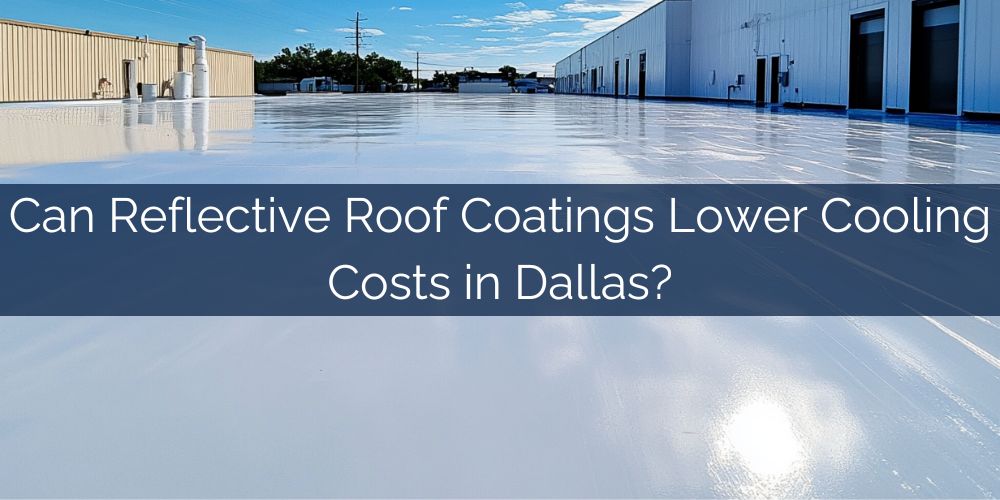
In Dallas, reflective roof coatings can significantly lower cooling costs due to their ability to reduce heat absorption in commercial buildings. The intense Texas sun can lead to high energy bills as air conditioning units work overtime to maintain comfortable indoor temperatures. By applying reflective coatings, building owners can decrease roof surface temperatures, increase indoor comfort, and substantially reduce energy expenses, making it a cost-effective solution for businesses in Dallas. For commercial property owners and facility managers in Dallas, understanding how reflective coatings can impact energy efficiency is crucial for long-term savings. In this blog, we’ll explore how these coatings work, their long-term benefits, and practical strategies for application to maximize cooling cost reductions in Dallas' sunny climate.
What Are Reflective Roof Coatings and How Do They Work?
Reflective roof coatings are specialized products designed to reflect more sunlight and absorb less heat than a standard roof. By enhancing a roof's reflective attributes, these coatings help reduce energy consumption and improve building comfort. They are applied to various roofing materials, creating a protective barrier that reflects infrared and ultraviolet rays.
Below is a list of key functions and benefits of reflective roof coatings.
- Sunlight Reflection: Reflects significant portions of sunlight away from the roof.
- Temperature Reduction: Lowers roof surface temperatures significantly.
- Energy Efficiency: Reduces the need for air conditioning.
- UV Protection: Shields the roof from UV radiation damage.
- Prolonged Roof Life: Increases the lifespan of the roofing materials.
1. Sunlight Reflection: Reflects significant portions of sunlight away from the roof.
Reflective roof coatings are formulated to reflect more sunlight than standard coatings. This reflection minimizes the amount of heat transferred into the building, enhancing comfort inside without relying heavily on air conditioning systems. The efficiency of a reflective roof coating depends on its ability to reflect a high percentage of the sun's rays, reducing the overall solar heat gain.
2. Temperature Reduction: Lowers roof surface temperatures significantly.
The primary function of reflective coatings is to lower the surface temperature of the roof. By reducing the absorbed heat, these coatings help maintain cooler internal temperatures, which is crucial during hot months. This cooling effect can lead to a noticeable decrease in cooling costs and energy consumption, making it a cost-effective solution for building owners.
3. Energy Efficiency: Reduces the need for air conditioning.
Reflective coatings contribute to energy efficiency by lowering the demand for cooling energy. They reduce the heat flow into a building, requiring less energy to maintain comfortable indoor temperatures, which translates to cost savings. Adopting these coatings can result in a significant reduction in energy bills, especially during peak summer months when heat load is high.
4. UV Protection: Shields the roof from UV radiation damage.
Reflective coatings protect roofing materials from the damaging effects of ultraviolet radiation. Prolonged UV exposure can degrade roof surfaces, leading to premature aging and deterioration. By serving as a protective layer, these coatings help preserve the roof's structural integrity and appearance, reducing the need for frequent maintenance or replacement.
5. Prolonged Roof Life: Increases the lifespan of the roofing materials.
One of the major benefits of reflective coatings is their ability to prolong the life of a roof. By reducing thermal cycling and UV damage, they prevent the rapid wear and tear of roofing materials. This extends the functional lifespan of the roof, offering property owners a greater return on their investment by delaying replacement costs.
Have a question about an upcoming project?
Why Are Reflective Roof Coatings Particularly Beneficial for Commercial Buildings in Dallas?
Reflective roof coatings significantly reduce cooling costs by minimizing heat absorption in Dallas's hot climate. Given the intense sunlight and high temperatures typical of Dallas, roofs coated with reflective materials help maintain cooler indoor temperatures. This not only enhances comfort for building occupants but also decreases energy usage and associated costs.
Below are some of the primary benefits that reflective roof coatings provide for commercial buildings in Dallas:
- Energy Efficiency: Reduces cooling demands by reflecting more sunlight away.
- Urban Heat Island Mitigation: Less contribution to increased local temperatures.
- Extended Roof Lifespan: Minimizes thermal expansion and contraction damage.
- Environmental Benefits: Lowers carbon footprint by reducing energy use.
- Improved Indoor Comfort: Maintains lower internal temperatures without excess AC use.
1. Energy Efficiency: Reduces cooling demands by reflecting more sunlight away.
Energy efficiency is the ability to use less energy to perform the same task. In the context of reflective roof coatings in Dallas, reflecting more sunlight helps to reduce the amount of heat absorbed by the building. This keeps buildings cooler, leading to reduced reliance on air conditioning and lower energy bills. As the demand for cost-saving measures grows, this energy efficiency can be particularly beneficial to commercial buildings with high cooling needs. Additionally, the lowered energy usage can provide long-term sustainability benefits, especially for businesses conscious of their environmental impact.
2. Urban Heat Island Mitigation: Less contribution to increased local temperatures.
Urban heat island mitigation refers to efforts to reduce localized temperature increases in urban areas caused by human activities. Reflective roof coatings help prevent commercial buildings in Dallas from contributing significantly to urban heat islands by reflecting solar radiation rather than absorbing it. This is particularly important in cities like Dallas, where summer temperatures soar. By using reflective roofs, commercial buildings can contribute to lowering temperatures in densely built environments, improving the overall climate for residents. This practice can also reduce smog formation and potentially decrease heat-related health issues.
3. Extended Roof Lifespan: Minimizes thermal expansion and contraction damage.
Extended roof lifespan refers to increasing the duration a roof remains functional without needing major repairs or replacements. Reflective coatings help reduce the thermal stress on roofing materials by preventing extreme temperature fluctuations. In Dallas, where the temperature can vary widely, this can prevent common wear and tear. Limiting damage from thermal expansion and contraction ensures the roof remains intact longer, saving costs on frequent repairs. This can be an essential consideration for commercial buildings with large roof areas, potentially saving significant maintenance resources.
4. Environmental Benefits: Lowers carbon footprint by reducing energy use.
Environmental benefits refer to the positive impacts on the environment from certain actions or technologies. By decreasing energy consumption through reflective roof coatings, commercial buildings in Dallas can lower their carbon footprint. Dallas’s energy grid, like many others, often relies on fossil fuels, meaning reduced energy use also means fewer emissions. This sustainability angle can appeal to businesses aware of environmental impacts, adding another layer of value to the investment in reflective roofing. Over time, these benefits can accumulate, contributing to broader ecological goals and corporate responsibility initiatives.
5. Improved Indoor Comfort: Maintains lower internal temperatures without excess AC use.
Improved indoor comfort means maintaining a pleasant indoor climate without excessive energy consumption. Reflective roof coatings in Dallas prevent excessive heat from penetrating the building, ensuring more stable and comfortable indoor temperatures. This can lead to a more productive work environment, as employees are less likely to be distracted by discomfort from high indoor heat levels. Businesses that prioritize employee well-being and customer comfort can find this aspect particularly advantageous.
How Much Can Businesses Potentially Save on Cooling Costs with Reflective Roof Coatings?
Businesses can save up to 20% on cooling costs using reflective roof coatings. Reflective roof coatings effectively reduce heat absorption, minimizing air conditioning needs during warmer months. This not only results in cost savings but also enhances indoor comfort and contributes to a reduced carbon footprint.
Here's how reflective roof coatings can significantly influence cooling cost savings:
- Energy Efficiency: Reflect UV rays, leading to lower air conditioning demand and energy costs.
- Reduced Heat Island Effect: Minimizes building heat absorption, keeping interiors cooler naturally.
- Extended Roof Life: Reduces expansion and contraction cycles that cause roof wear.
- Environmental Benefits: Lowers building emissions and supports sustainability goals.
- Improved Indoor Comfort: Enhances occupant comfort with stable internal temperatures.
1. Energy Efficiency: Reflect UV rays, leading to lower air conditioning demand and energy costs.
Energy efficiency refers to the capability of a roof coating to reflect solar energy. Reflective coatings decrease rooftop temperatures, lessening the need for air conditioning. This translates to direct reductions in energy bills and operational expenses. By reducing energy consumption, businesses can allocate budget savings to other strategic investments, enhancing their competitiveness. Furthermore, efficient energy use contributes to a company's sustainability profile, increasingly valued by stakeholders.
2. Reduced Heat Island Effect: Minimizes building heat absorption, keeping interiors cooler naturally.
The heat island effect occurs when urban areas become significantly warmer than surrounding rural areas. Reflective roof coatings can combat this effect by decreasing the roof's temperature and limiting heat transfer inside the building. By mitigating the heat island effect, businesses contribute to a more stable local microclimate, promoting sustainability. As temperatures in densely built environments continue to rise, reflective coatings can play a crucial role in urban climate adaptation strategies.
3. Extended Roof Life: Reduces expansion and contraction cycles that cause roof wear.
Extended roof life pertains to the increased longevity of roofing materials through decreased thermal stress. Reflective coatings reduce the thermal expansion and contraction that typically lead to material degradation. This advantage not only decreases the frequency of maintenance interventions but also defers the significant capital expense of re-roofing. By enhancing the durability of roofing infrastructure, businesses can enjoy compounded savings over the life of the roof, optimizing total cost of ownership.
4. Environmental Benefits: Lowers building emissions and supports sustainability goals.
Environmental benefits refer to the reduced environmental impact due to decreased energy use. Lowered electricity demand for cooling results in fewer emissions from power generation. As more companies commit to environmental responsibility, reflective roof coatings offer a pathway to achieving sustainability targets. Adopting such green practices can enhance brand reputation and provide competitive differentiation in markets increasingly favoring environmentally conscious businesses.
5. Improved Indoor Comfort: Enhances occupant comfort with stable internal temperatures.
Improved indoor comfort means maintaining consistent, desirable temperatures within a building. Reflective coatings contribute to a more uniform temperature distribution, reducing hot spots and enhancing occupant comfort. Comfortable environments can boost employee productivity and satisfaction, indirectly supporting business performance. A pleasant indoor climate can also lead to positive customer experiences, reinforcing brands reliant on in-person client interactions.
In conclusion, reflective roof coatings can significantly lower cooling costs in Dallas by minimizing heat absorption and improving energy efficiency. Transitioning to cool roof systems in Dallas is an effective strategy for commercial buildings to reduce their reliance on air conditioning, ultimately cutting down on energy expenses. Commercial energy savings coatings not only provide immediate financial benefits but also contribute to a more sustainable environment. By implementing these solutions, businesses can enhance the longevity and performance of their roofing systems while enjoying cost savings.
If you're interested in exploring reflective roof coatings or need guidance on selecting the best commercial roof coatings for your building, please get in touch with our team through the contact form. We at Commercial Roofing Dallas are eager to provide you with expert advice and tailored solutions to help you achieve maximum energy efficiency and cost savings.