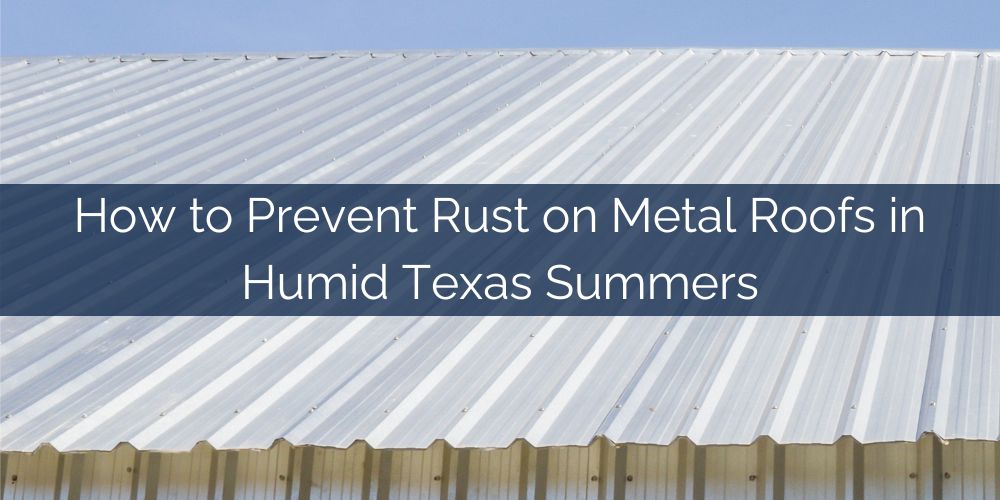
To prevent rust on metal roofs in humid Dallas, TX summers, apply a high-quality, UV-resistant roof coating specifically designed for metal surfaces to form a protective barrier against moisture and corrosion. Dallas's humid climate with frequent summer storms increases the risk of rust and corrosion on metal roofs, especially in areas where pooling water can occur. Regular maintenance, including cleaning debris and applying a corrosion-inhibitive coating, can extend the life and appearance of the roof by reducing exposure to moisture and preventing rust formation. For Dallas commercial property owners and facility managers, proactive rust prevention is essential to maintain roof integrity and avoid costly repairs. In this blog, we’ll explore effective strategies and products to shield metal roofs from the harsh elements, ensuring long-lasting protection against the humid Texas weather.
Why Is Rust a Significant Concern for Metal Roofs in Humid Climates?
Rust is a major concern in humid climates as it causes deterioration and weakens metal roofs. Humidity accelerates rust formation by providing moisture that facilitates the oxidation of metal. This process can lead to leaks, structural issues, and increased maintenance costs over time.
Here are five key reasons why rust is particularly problematic for metal roofs in humid environments:
- Accelerated Oxidation: Humidity speeds up rust formation on metal surfaces.
- Structural Integrity: Rust compromises the roof's overall strength and durability.
- Leakage Risk: Corrosion increases the likelihood of water penetrating the roofing structure.
- Maintenance Costs: Frequent repairs are needed due to ongoing rust damage.
- Aesthetic Degradation: Rust diminishes the visual appeal of metal roofing through discoloration.
1. Accelerated Oxidation: Humidity speeds up rust formation on metal surfaces.
Oxidation is the chemical reaction in which metal reacts with oxygen, leading to rust. In humid climates, the presence of moisture in the air enhances this reaction rate significantly. Thus, metal roofs in these areas are more prone to rapid deterioration due to increased rust formation. This means that metal roofs in humid climates require more stringent oversight compared to those in drier areas. The continual presence of moisture can risk essential structural elements of the roof, necessitating proactive strategies to mitigate oxidation. Regular inspections and protective coatings are often recommended to slow down this process and extend the roof's lifespan.
2. Structural Integrity: Rust compromises the roof's overall strength and durability.
Problems for structural integrity occur when rust eats away at the thickness and cohesion of metal roofing materials. Over time, this corrosion weakens the metal, reducing its ability to withstand external pressures. For instance, a rusted metal roof may not effectively support its weight or withstand high winds and other climatic stresses. This structural compromise can lead to significant safety hazards if not addressed promptly. Regular maintenance and timely interventions are crucial to prevent more severe issues from developing. Additionally, using appropriate rust-resistant materials and coatings when installing a metal roof can provide an added layer of protection.
3. Leakage Risk: Corrosion increases the likelihood of water penetrating the roofing structure.
Corrosion deteriorates the protective surface of the metal roof, creating avenues for water to seep through. Humidity exacerbates this risk by ensuring constant moisture exposure, increasing the probability of leaks. Water penetration can lead to internal damages, affecting insulation, ceilings, and the overall integrity of the building. Addressing leakage due to rust requires identifying vulnerable areas promptly and applying waterproof sealants as part of regular maintenance routines. The financial and logistical burdens of repairing water damage make it essential to address this concern early on. By investing in preventive measures, building owners can avoid costly repairs and disruptions.
4. Maintenance Costs: Frequent repairs are needed due to ongoing rust damage.
The continual battle against rust necessitates regular maintenance, which incurs higher costs over time. Regular inspections, sealing, and even component replacements become necessary to maintain the property's safety and functionality. This increased maintenance burden can be financially draining and logistically inconvenient. To manage these issues more effectively, building owners can invest in preventative measures, such as protective coatings, regular maintenance schedules, and utilizing rust-resistant materials from the outset. This strategic approach can help minimize long-term repair costs and extend the roof's overall life expectancy.
5. Aesthetic Degradation: Rust diminishes the visual appeal of metal roofing through discoloration.
Metal roofs are often chosen for their sleek, modern appearance, which can be marred by unsightly rust stains. In humid climates, where rust formation is prevalent, aesthetic degradation happens faster, resulting in a brownish-red patina that detracts from the building's overall appearance. Poor aesthetics can affect property value and the overall perception of the building. Spotting and cleaning rust early, along with applying protective finishes, can help preserve the metal roof's visual appeal. Maintaining the aesthetic appeal of the metal roof not only helps in retaining the property's value but also ensures occupant satisfaction.
What Methods Can Be Used to Protect Metal Roofs from Rust?
The best methods to protect metal roofs from rust involve proper maintenance and using protective coatings. By applying appropriate sealants and primers, keeping the surface clean, and addressing scratches immediately, you can significantly extend the lifespan of a metal roof. These measures are crucial in preventing oxidative damage, ensuring the roof remains robust and aesthetically pleasing over time.
Here are the essential methods to protect metal roofs from rust:
- Protective Coatings: Use anti-rust sealants to prevent oxidation and weather damage.
- Regular Maintenance: Schedule periodic inspections to promptly address potential vulnerabilities.
- Cleaning: Use appropriate solutions to remove debris and contaminants from the roof surface.
- Scratches and Dents Repair: Address surface damages immediately to prevent exposure to moisture.
- Insulation and Ventilation: Ensure proper insulation to reduce moisture retention and condensation.
1. Protective Coatings: Use anti-rust sealants to prevent oxidation and weather damage.
Protective coatings are specialized chemicals applied to metal surfaces to prevent rust and corrosion. By creating a barrier between the metal and the elements, these coatings hinder oxidation reactions responsible for rust formation. Coatings like zinc or polymer-based solutions enhance weather resistance and prolong the roof's operational life. Applying these coatings should be integral to routine maintenance, as they provide long-term protection against environmental damage, especially in areas with high humidity or salinity.
2. Regular Maintenance: Schedule periodic inspections to promptly address potential vulnerabilities.
Regular maintenance involves systematic checks and servicing to sustain functionality and appearance. Conducting regular inspections of metal roofs helps identify early signs of rust, leaks, or wear, allowing for timely interventions. Proactive maintenance helps avoid costly repairs and mitigates rust-related deterioration. A well-documented maintenance schedule includes checking seals, securing fixtures, and verifying drainage efficiency, contributing to the roof’s longevity and structural integrity.
3. Cleaning: Use appropriate solutions to remove debris and contaminants from the roof surface.
Cleaning involves removing dirt, grime, and organic matter that can accelerate corrosion. Keeping a metal roof clean is essential to prevent the accumulation of elements that can trap moisture and promote rust. Using non-abrasive, metal-friendly cleaning agents helps maintain the surface's condition. Regular cleaning prevents algae or mold growth and protects against pollutants that could compromise the coating’s effectiveness, maintaining both aesthetics and structural integrity.
4. Scratches and Dents Repair: Address surface damages immediately to prevent exposure to moisture.
Repairing involves promptly fixing imperfections that compromise the protective layer of metal roofs. Any breach in the protective coating, like scratches or dents, exposes the underlying metal to moisture and air, potentially leading to rust. Immediate attention to these damages prevents rust from taking hold and spreading. This includes the use of touch-up paints and sealants, ensuring the integrity of the protective layer remains intact, thereby extending the roof’s life.
5. Insulation and Ventilation: Ensure proper insulation to reduce moisture retention and condensation.
Insulation and ventilation manage indoor climate and moisture levels, preventing condensation issues. Proper insulation and ventilation systems reduce the risk of condensation forming on metal roofs, which is a precursor to rust. Managing indoor air circulation prevents temperature differentials that lead to water generation inside the roofing structure. Strategic installation of ventilation exits and insulation materials helps maintain a stable internal environment, crucial for reducing moisture-related rust risks, especially in climates with significant temperature fluctuations.
Have a question about an upcoming project?
How Often Should Maintenance Be Performed to Prevent Rust on Commercial Roofs?
Maintenance should be done at least bi-annually to effectively prevent rust on commercial roofs. Regular inspections help identify potential issues like rust before they become significant, minimizing costly repairs. Proactive maintenance, especially after harsh weather, can significantly extend the lifespan of the roof.
Below is a list of essential maintenance practices to prevent rust on commercial roofs:
- Regular Inspections: Schedule bi-annual inspections for early rust detection and treatment
- Cleaning: Remove debris and organic matter that can hold moisture and accelerate rust
- Protective Coatings: Apply rust-inhibiting coatings to vulnerable areas routinely
- Repair Damages: Address any roof damage promptly to prevent further deterioration
- Gutter Maintenance: Ensure gutters and drains are clear to prevent water accumulation
1. Regular Inspections: Schedule bi-annual inspections for early rust detection and treatment
Regular inspections involve a thorough examination of the roof to detect issues early. They are crucial for identifying and addressing the onset of rust before it spreads. By conducting inspections twice a year, roofing professionals can provide timely interventions. These inspections should also be performed after significant weather events to prevent long-term damage. The goal is to ensure any rust is caught when it's most manageable, reducing extensive repairs.
2. Cleaning: Remove debris and organic matter that can hold moisture and accelerate rust
Cleaning involves the removal of leaves, dirt, and other materials from the roof surface. Debris can trap moisture against the metal, creating a breeding ground for rust. Regular removal maintains the roof's integrity and appearance, reducing moisture-related issues. Effective cleaning not only prevents rust but also helps maintain the warranty and lifespan of the roof. Professionals should ensure all contours and edges are thoroughly cleaned.
3. Protective Coatings: Apply rust-inhibiting coatings to vulnerable areas routinely
Protective coatings act as a barrier between metal surfaces and environmental moisture. These rust-inhibiting treatments are vital for extending the life of the roof. Reapplication should be scheduled as part of the maintenance plan. Using high-quality coatings can significantly delay the oxidation process, keeping the roof durable. This added layer of protection is especially beneficial for roofs in hostile environments.
4. Repair Damages: Address any roof damage promptly to prevent further deterioration
Timely repairs encompass fixing leaks, tears, or any signs of weakness on the roof. Prompt action is necessary to prevent minor issues from escalating into costly repairs involving rust. This proactive approach ensures the structural soundness of the roofing system. Ignoring or delaying repairs can allow water to infiltrate, increasing rust risk. Consistent attention to damages supports the overall health of the commercial roof.
5. Gutter Maintenance: Ensure gutters and drains are clear to prevent water accumulation
Gutter maintenance involves cleaning and ensuring efficient drainage to eliminate water buildup. Blocked gutters lead to water overflow, directing it back onto the roof surface, encouraging rust. Keeping them clear helps protect the roof from moisture retention. Regular checks and maintenance of gutters are integral to a comprehensive roof care plan. It helps in directing rainwater efficiently away from the structure, preventing spills and leaks.
In conclusion, maintaining the integrity of your metal roof during humid Texas summers requires a proactive approach to prevent rust and corrosion. Implementing effective strategies for texas metal roof corrosion control, such as regular inspections, protective coatings, and addressing any structural issues promptly, will ensure that your roof withstands the harsh weather conditions unique to the region. By staying vigilant and timely in your maintenance efforts, you can significantly reduce the risk of rust, preserve the longevity of your roof, and avoid costly repairs. As the climate continues to challenge roof durability, preventing rust Dallas roofs becomes an indispensable aspect of commercial roof maintenance.
If you need further guidance on protecting your metal roof from corrosion or would like to explore any of the topics discussed in this blog, please feel free to reach out to Commercial Roofing Dallas. Use our contact form to get in touch, and our expert team will be delighted to assist you with tailored solutions for all your roofing needs.