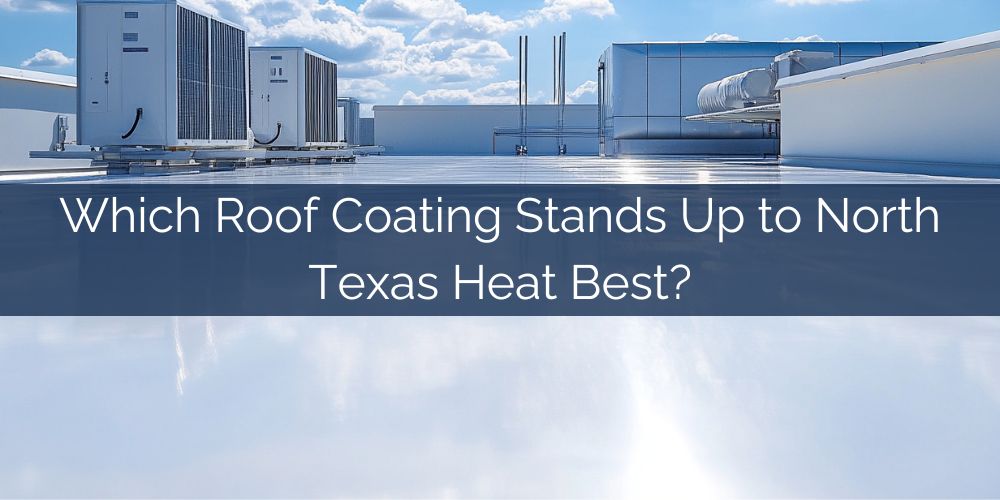
In Dallas, Texas, silicone roof coatings stand up to the North Texas heat best due to their exceptional UV resistance and ability to maintain flexibility even in extreme temperatures. Silicone coatings offer a robust and long-lasting solution for commercial roofs facing the intense, relentless sun and high heat typical of Dallas summers. Their strong UV reflectivity helps lower building cooling costs and reduces the likelihood of thermal cracking, ensuring a durable roofing system. Moreover, unlike some coatings that can become brittle or degrade under prolonged sun exposure, silicone coatings remain stable, preserving the structural integrity of the roof. In the Dallas climate, where temperatures can soar during the summer months, investing in a silicone coating provides a cost-effective way to enhance energy efficiency while securing the building from potential heat damage. For commercial building owners and facility managers in Dallas, choosing the right roof coating is critical to managing energy expenses and maintaining roof longevity. In this blog, we'll explore the advantages and drawbacks of various roof coatings and provide insights on why silicone may be the best choice for enduring the demanding North Texas heat.
What Are the Key Challenges of Roofing in North Texas Climate?
Roofing in North Texas faces significant challenges primarily due to extreme temperature fluctuations and severe weather events. These fluctuations can cause damage over time and necessitate more frequent maintenance and repairs. Understanding these challenges is crucial for selecting the appropriate materials and construction techniques that can withstand the local climate.
Here are the primary challenges roofing companies face in the North Texas climate:
- Extreme Temperature Fluctuations: Causes thermal expansion and contraction leading to roof damage.
- Severe Storms: High winds and hail can cause immediate and severe roof damage.
- Intense Sunlight: Prolonged UV exposure can degrade roofing materials prematurely.
- Heavy Rainfall: Can lead to leaks and water damage if drainage is inadequate.
- Humidity: Encourages mold growth and can affect the integrity of roofing materials.
1. Extreme Temperature Fluctuations: Causes thermal expansion and contraction leading to roof damage.
Extreme temperature fluctuations refer to significant changes in weather, from hot to cold, over short periods. In North Texas, this is a common occurrence, leading to the expansion and contraction of roofing materials. This can cause stress and eventual damage, necessitating the use of flexible and durable materials that can withstand these changes.
2. Severe Storms: High winds and hail can cause immediate and severe roof damage.
Severe storms often involve high winds, heavy rainfall, and hail, which can significantly damage roofs. In North Texas, these storms are frequent and can involve hailstones large enough to puncture and damage roofing materials. Choosing impact-resistant roofing and ensuring proper installation are crucial to mitigating these risks.
3. Intense Sunlight: Prolonged UV exposure can degrade roofing materials prematurely.
Intense sunlight, especially during summer months, can lead to UV degradation of roofing materials. In North Texas, the sun can be particularly harsh, accelerating wear and tear on roofing components. Using UV-resistant materials and appropriate coatings can help extend the life of a roof under such conditions.
4. Heavy Rainfall: Can lead to leaks and water damage if drainage is inadequate.
Heavy rainfall testing the adequacy of a roof's drainage system, often leading to leaks. In regions like North Texas, where heavy rains can arrive suddenly and with force, ensuring thorough drainage systems is vital. Regular maintenance can prevent water accumulation and subsequent damage to the roof's structure.
5. Humidity: Encourages mold growth and can affect the integrity of roofing materials.
Humidity levels in North Texas can rise significantly, creating a conducive environment for mold growth. This can affect not only the aesthetics but also the structural integrity of roofing materials. Proper ventilation and mold-resistant materials are essential to counteract these humid conditions effectively.
Have a question about an upcoming project?
Which Commercial Roofing Materials Perform Best in Dallas Heat?
Dallas summers regularly exceed 100°F, with high solar exposure and prolonged heat waves. In this environment, the choice of roofing material plays a critical role in reducing indoor temperatures, lowering HVAC loads, and minimizing energy costs. For commercial properties across the Dallas–Fort Worth Metroplex, materials designed for solar reflectivity and thermal stability are essential.
Here are five commercial roofing materials proven to perform well under intense North Texas heat:
1. TPO (Thermoplastic Olefin) Roofing
TPO is a highly reflective single-ply membrane favored across Dallas for its energy efficiency. White TPO roofs can reflect up to 87% of solar radiation (U.S. Department of Energy), reducing rooftop surface temperatures by as much as 80°F. This reflectivity translates directly into reduced cooling costs for commercial buildings—especially valuable during long summer months.
2. PVC (Polyvinyl Chloride) Roofing
PVC membranes offer heat resistance combined with durability against chemical exposure—ideal for restaurants and manufacturing facilities in the Dallas area. These membranes typically meet or exceed ENERGY STAR® and Title 24 reflectance requirements, making them a strong option for flat-roofed commercial properties looking to cut cooling costs and prolong system life.
3. Cool Roof Coatings (Acrylic or Silicone)
Cool roof coatings can be applied to existing commercial roofs across North Texas to enhance solar reflectivity. According to the Cool Roof Rating Council, silicone and acrylic coatings can reach Solar Reflectance Index (SRI) values over 100, dramatically reducing surface temperatures. These coatings are often used in roof restoration projects to avoid full replacement while improving thermal performance.
4. Reflective Metal Roofing (with Cool Pigment Technology)
Standing seam metal roofs with reflective finishes are popular on commercial buildings in Dallas where slope allows. When coated with cool pigments, these systems can reflect up to 70% of the sun’s energy while enduring hail, wind, and prolonged UV exposure. They also comply with Dallas Green Building Code requirements for solar reflectance and emissivity in low-slope commercial roofs.
5. Modified Bitumen with Reflective Surfacing
Although traditionally dark and heat-absorbent, modern modified bitumen roofs used in Dallas can now be surfaced with reflective granules or aluminum coatings. When properly installed, they meet ENERGY STAR reflectivity benchmarks, offering a durable and cost-effective solution for large commercial facilities with minimal slope.
In Dallas’s extreme summer climate, selecting a roofing system with high solar reflectance and thermal performance isn’t optional—it’s a necessity. Each of these materials offers strong protection against heat gain while helping building owners reduce operational expenses and meet local energy efficiency standards.
How Do Different Roof Coatings Perform Under Intense Sunlight and Heat?
Roof coatings perform differently under intense sunlight and heat based on their reflective and insulating properties. Coatings that reflect UV rays and have high thermal resistance tend to protect roofs more effectively, reducing heat absorption and extending the life of the roofing system. Choosing the right coating is crucial for optimizing energy efficiency and maintaining roof longevity in hot climates.
Here are five important factors to consider when evaluating roof coatings for hot and sunny conditions:
- UV Reflectivity: Reflects sunlight to reduce roof surface temperature and energy costs.
- Heat Resistance: Withstands high temperatures without degrading quickly.
- Thermal Emissivity: Releases absorbed heat efficiently, maintaining interior comfort.
- Durability: Ensures long-lasting performance with minimal maintenance in harsh sunlight.
- Energy Efficiency: Potentially lowers cooling costs by minimizing heat transfer.
1. UV Reflectivity: Reflects sunlight to reduce roof surface temperature and energy costs.
UV reflectivity refers to a roof coating's ability to reflect ultraviolet rays from the sun. By reflecting UV rays, the coating keeps the roof surface cooler, reducing heat transfer into the building. This not only protects the roof from damage caused by extreme heat but also helps in reducing energy costs associated with air conditioning. A high UV reflective coating is particularly beneficial in hot climates where sun exposure is intense and prolonged. Roofs with high reflectivity can achieve a longer service life and contribute to a more sustainable building environment.
2. Heat Resistance: Withstands high temperatures without degrading quickly.
Heat resistance is the ability of a material to withstand high temperatures without losing its structural integrity. In the context of roof coatings, heat resistance ensures that the coating remains effective and does not degrade rapidly when exposed to intense sunlight and high temperatures. This characteristic is crucial for preserving the protective barrier on the roof, which minimizes maintenance needs and prolongs roof life. Choosing a heat-resistant coating is important for commercial buildings in regions with high ambient temperature, as it helps maintain room temperature and reduces energy use.
3. Thermal Emissivity: Releases absorbed heat efficiently, maintaining interior comfort.
Thermal emissivity is the efficiency with which a surface releases absorbed heat. Coatings with high thermal emissivity prevent roofs from retaining excessive heat and contribute to maintaining a stable internal building temperature. This reduces the reliance on cooling systems, cutting energy expenses and improving occupant comfort. High thermal emissivity is an essential feature for roof coatings in harsh sunlight conditions, allowing for a balance between sunlight absorption and heat release.
4. Durability: Ensures long-lasting performance with minimal maintenance in harsh sunlight.
Durability is the capacity of a roof coating to remain effective over time despite environmental stressors. Exposure to intense sunlight can cause wear and tear on roof coatings, leading to cracks and peeling. Durable coatings are designed to resist these effects, providing protective longevity for the roof. Investing in a durable coating reduces the frequency of repairs and reapplications, thus proving cost-effective in the long run, especially in regions with severe climate conditions.
5. Energy Efficiency: Potentially lowers cooling costs by minimizing heat transfer.
Energy efficiency refers to the roof coating's capability to reduce energy usage by minimizing heat absorption and enhancing climate control. Roof coatings with energy-efficient features often include reflective and emissive properties, ensuring they prevent excessive solar heat gain indoors. This reduction in heat penetration directly translates to lower demand on cooling systems, reducing energy costs. An energy-efficient roof coating is essential for optimizing the indoor environment in hot climates while supporting sustainable energy consumption practices.
In conclusion, selecting the best coating for Texas rooftops is essential for withstanding the intense heat characteristic of North Texas. With a variety of options available, including acrylic and silicone coatings, understanding their unique benefits can help you make an informed decision that enhances the durability and energy efficiency of your commercial roofing system. High-quality coatings not only provide excellent heat resistance but also reduce maintenance costs and prolong the lifespan of your roof. Whether you're aiming to boost the energy efficiency of your building or protect your investment against the harsh Texan sun, a well-chosen heat-resistant roof coating Dallas can make a significant difference.
If you want expert guidance on choosing the perfect coating for your commercial roof or to explore more about acrylic roof coating, silicone roof coating, or any other commercial roof coating options, please reach out to us via our contact form. Our knowledgeable team at Commercial Roofing Dallas is here to assist you in making the best roofing decisions tailored to your needs.